
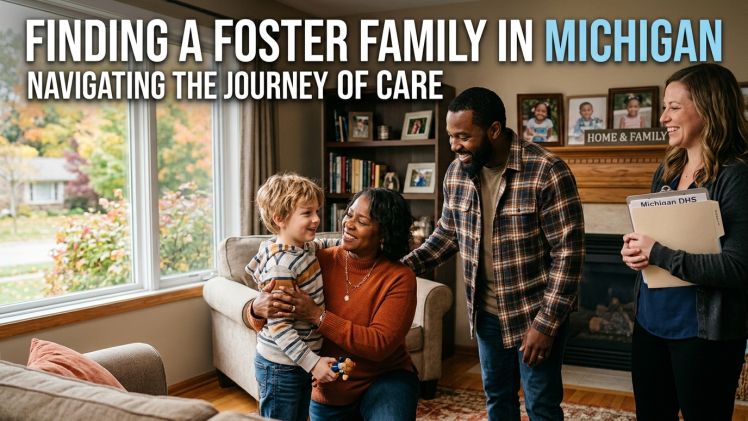
Deciding to open your home to children in need is a significant life transition that begins with a shift in perspective. It often starts with a quiet realization: the desire to provide a stable, nurturing environment for young people navigating a challenging period in their lives. For many, this decision is not just about expanding a household; it is about responding to a persistent need within their own community. Residents across the region who consider this path often find themselves asking how they can best prepare, what the commitment looks like in practice, and how they can navigate the various steps involved in becoming a foster home in Michigan.
The Challenges of Understanding the System
One of the primary difficulties for prospective caregivers is separating common misconceptions from the reality of the process. The system governing support for children is multifaceted, involving a complex network of requirements, training expectations, and ongoing assessments. It is natural for individuals to feel overwhelmed by the initial volume of information or the procedural depth required.
The process is intentionally thorough because the objective is to ensure that every placement provides a safe, supportive, and stable environment. This thoroughness means that prospective families will encounter a variety of background checks, home assessments, and educational sessions. While these steps may seem extensive, they are designed to build a foundation of knowledge and resilience. Understanding that these procedures are established to prioritize the long-term well-being of the child can help shift the focus from the paperwork to the underlying goal of service.
How the Process Generally Works
Entering the world of foster care typically involves several overlapping phases, each designed to provide clarity for both the family and those overseeing the system. The journey often begins with an inquiry, where potential caregivers connect with an agency to discuss their motivations and capacity. This is a time for asking questions and gaining a clearer picture of what the day-to-day experience might entail.
Following the initial inquiry, the process moves into a training phase. These sessions offer a chance to engage with other families, learn about the experiences of children who have been removed from their homes, and develop strategies for providing effective care. This education covers topics ranging from childhood development and trauma-informed support to the legal and emotional aspects of the foster experience.
Once training is complete, the home assessment phase begins. This involves visits from professionals who work with the family to evaluate their living situation, personal history, and overall readiness. Rather than viewing this as an interrogation, many successful caregivers find it helpful to see it as a collaborative consultation. It is a period for identifying strengths and discussing how the family can effectively support a child’s specific needs during a transition.
Key Factors That Shape the Outcome
The success of a placement often depends on the caregiver’s ability to maintain a flexible and patient outlook. No two experiences are the same, and the needs of a child in care can change rapidly. Factors such as the family’s ability to coordinate with other professionals, their patience in navigating a child’s adjustment period, and their commitment to their own emotional well-being play a massive role in long-term outcomes.
Communication is perhaps the most vital component. Caregivers must be comfortable working closely with social workers, educators, and in many cases, the child’s biological family members. This partnership model is intended to keep the child’s best interests at the center of every decision. Families that prioritize clear, honest, and respectful communication with this wider team typically find the process more manageable and rewarding.
Additionally, the internal culture of the household is a primary driver of success. A home that fosters open dialogue, offers a consistent routine, and understands that healing takes time is generally better equipped to handle the fluctuations of foster care. It is helpful to consider how each family member will adapt to new dynamics and to ensure that everyone in the home feels supported and included in the decision-making process.
Practical Ways to Approach Your Journey
For those interested in becoming a foster family in Michigan, the most practical first step is to seek out information from reputable local agencies. When reaching out to an agency, ask about their philosophy, the types of support they provide to families, and how they handle the matching process between children and homes. You might ask: “What ongoing support is available after a placement?” or “How do you assist families in navigating the challenges of reunification?”
Building a support network is equally important. Many experienced caregivers recommend connecting with others who have traveled this path. Hearing from people who are already serving as a foster home in Michigan can provide insights that formal training materials sometimes lack. These personal perspectives can offer guidance on managing the practicalities of daily life, understanding the emotional highs and lows, and maintaining perspective throughout the process.
Finally, prioritize your own preparation. This includes physical preparations, such as ensuring your home is equipped and safe, as well as mental and emotional preparations. Reflect on your motivations and discuss them candidly with your partner or family members. Being clear about your capacity and your goals will help you navigate the system with confidence.
Taking the first step is often the hardest part, yet it is where the most meaningful progress begins. By approaching the process with openness, asking thorough questions, and prioritizing the needs of the children you hope to serve, you are setting a solid foundation for a journey that can have a profound impact on lives in your community. Engage with local resources, attend an orientation session, and allow yourself the time to learn the system at a pace that is right for your household.


